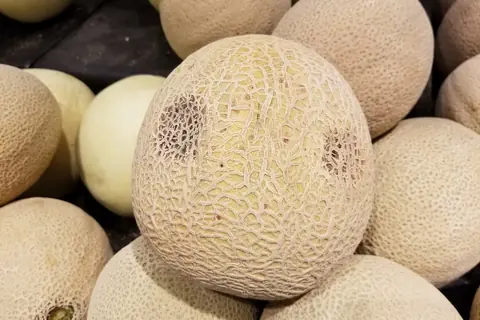
Boron
Symptoms
Fruit cracking and poor fruit set.
Correction
Foliar boron at flowering and early fruit development.
Fruits · Punica granatum
Calcium and boron to reduce fruit cracking, with potassium for colour, size and aril quality.
Request a Quote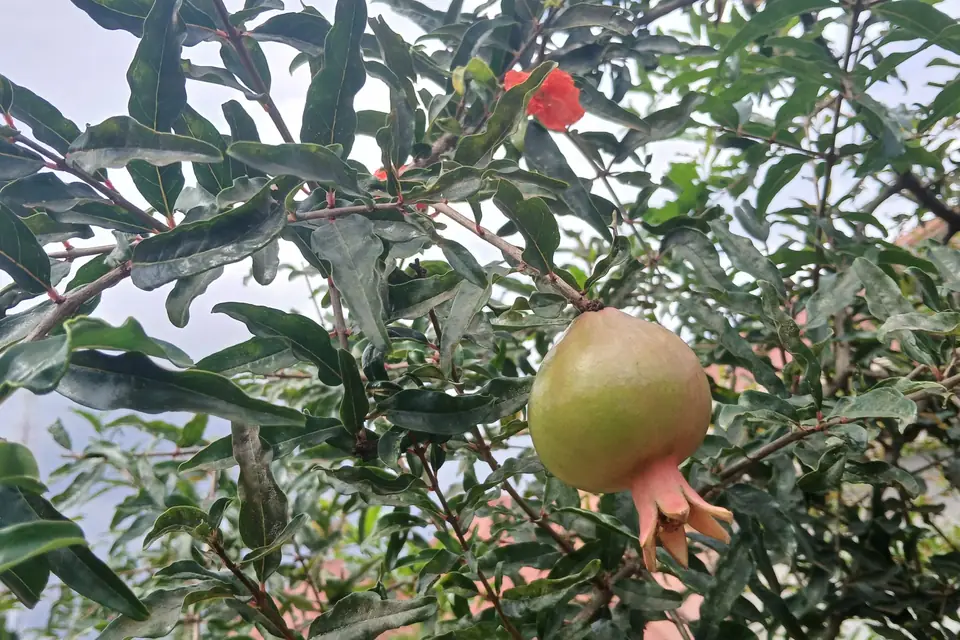
Pomegranate is a hardy fruit crop suited to semi-arid regions and grown extensively in Maharashtra, Karnataka and Gujarat. Balanced nutrition after bahar (flower regulation), with calcium and boron to reduce fruit cracking, is key to export-quality fruit.
What the crop needs most at each growth stage.
Nitrogen and phosphorus for new shoots and flowering.
Boron, zinc and calcium for fruit set.
Potassium and calcium for fruit size and rind strength.
Potassium for aril colour and sweetness; steady irrigation to avoid cracking.
How to recognise them in the field and how they are usually corrected.
Symptoms
Fruit cracking and poor fruit set.
Correction
Foliar boron at flowering and early fruit development.
Symptoms
Weak rind and higher fruit cracking.
Correction
Calcium nitrate through drip or foliar calcium sprays.
Symptoms
Small, narrow leaves and rosetting at shoot tips.
Correction
Chelated zinc foliar spray.
Exact doses depend on your soil test, variety and irrigation. Tell us your crop stage, area and location and we will recommend the right products and quantities.
Phone
+91 95946 07999