Zinc
Symptoms
Reduced leaf size and pale bands between veins on young leaves.
Correction
Zinc sulphate in the soil or chelated zinc as a foliar spray.
Spices · Curcuma longa
Long-duration crop: potassium, zinc and iron with plenty of organic matter for bigger rhizomes.
Request a Quote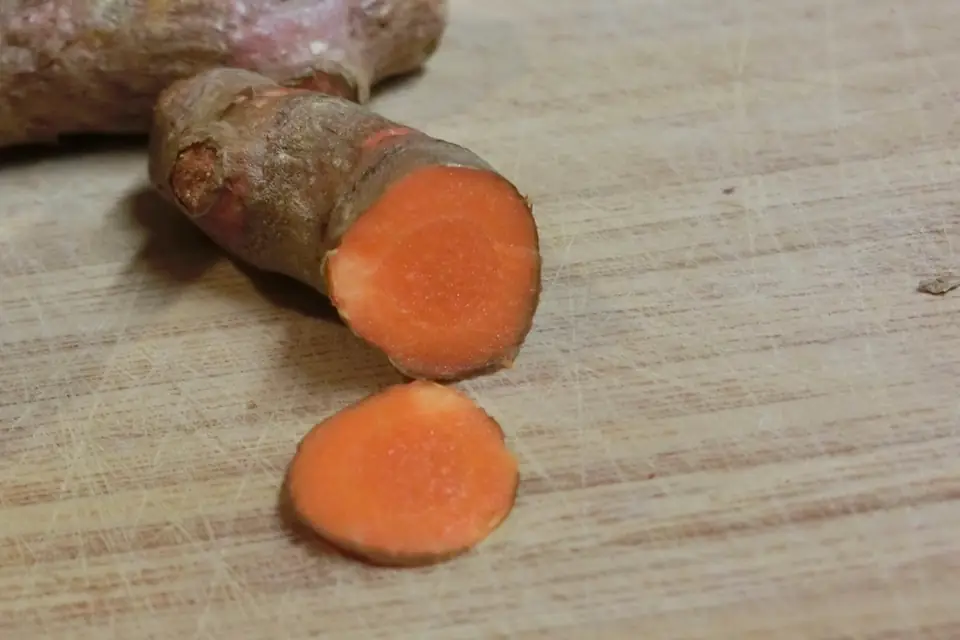
Turmeric is a long-duration crop (about 7-9 months) grown for its rhizomes. It needs rich, well-drained soil with plenty of organic matter, and potassium in the later stages to build rhizome weight and quality.
What the crop needs most at each growth stage.
Heavy basal organic manure with phosphorus for sprouting and roots.
Nitrogen in splits with potassium; zinc and iron where deficient.
Potassium and nitrogen for tiller and rhizome development.
High potassium for rhizome size, weight and curcumin quality.
How to recognise them in the field and how they are usually corrected.
Symptoms
Reduced leaf size and pale bands between veins on young leaves.
Correction
Zinc sulphate in the soil or chelated zinc as a foliar spray.
Symptoms
Yellowing of young leaves with green veins.
Correction
Chelated iron foliar sprays.
Symptoms
Leaf margins scorch and dry; small rhizomes.
Correction
Potassium fertilizers during rhizome development.
Exact doses depend on your soil test, variety and irrigation. Tell us your crop stage, area and location and we will recommend the right products and quantities.
Phone
+91 95946 07999